Edge banding: every visible edge, finished
Edge banding is the strip that covers the raw edge of a cut panel. It makes a cabinet look finished, and it keeps moisture out of the MDF core. Every KutRight panel is banded on its visible edges, matched to the board, before it leaves production.
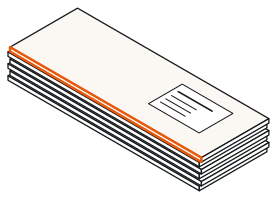
Banded where it matters
Fronts all round
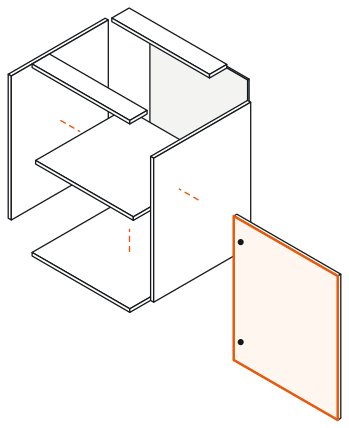
Doors and drawer fronts are banded on all four edges.
Carcass front edges
Sides, shelves, tops and bottoms are banded on the edge you see.
Matched to the board
The edge matches the face colour or wood, so the panel reads as one piece.
Good edges keep moisture out
In a humid, air-conditioned climate, a sealed edge is what stops MDF swelling around the sink, the dishwasher and the kettle.
- Look for a tight, even joint with no gaps or glue lines
- Check corners are trimmed smooth
- Protect any unbanded hidden edge in a wet spot, such as the bottom of a sink-base side
Is edge banding included?
Yes. Every visible edge is banded as standard, matched to the board.
Will the edges peel?
Properly applied edging stays put. Avoid pouring water on edges and wipe up spills, especially around sinks and dishwashers.
Guides to help you plan
What is edge banding? Materials, thickness and glue explained
Edge banding is a thin strip of PVC, ABS, melamine paper or real-wood veneer glued to the cut edge of a panel. It hides the raw core, protects the…
Read the guideMDF vs plywood for kitchen cabinets in UAE humidity
Both MDF and plywood make good kitchen cabinets in the UAE if their faces and edges are sealed. MDF is flatter, smoother and the better base for…
Read the guideMelamine vs veneer for cabinet doors and carcasses
Melamine is a decorative paper sealed in hard resin, so it is tough, wipe-clean, consistent and the best value. Veneer is a thin slice of real wood,…
Read the guide